

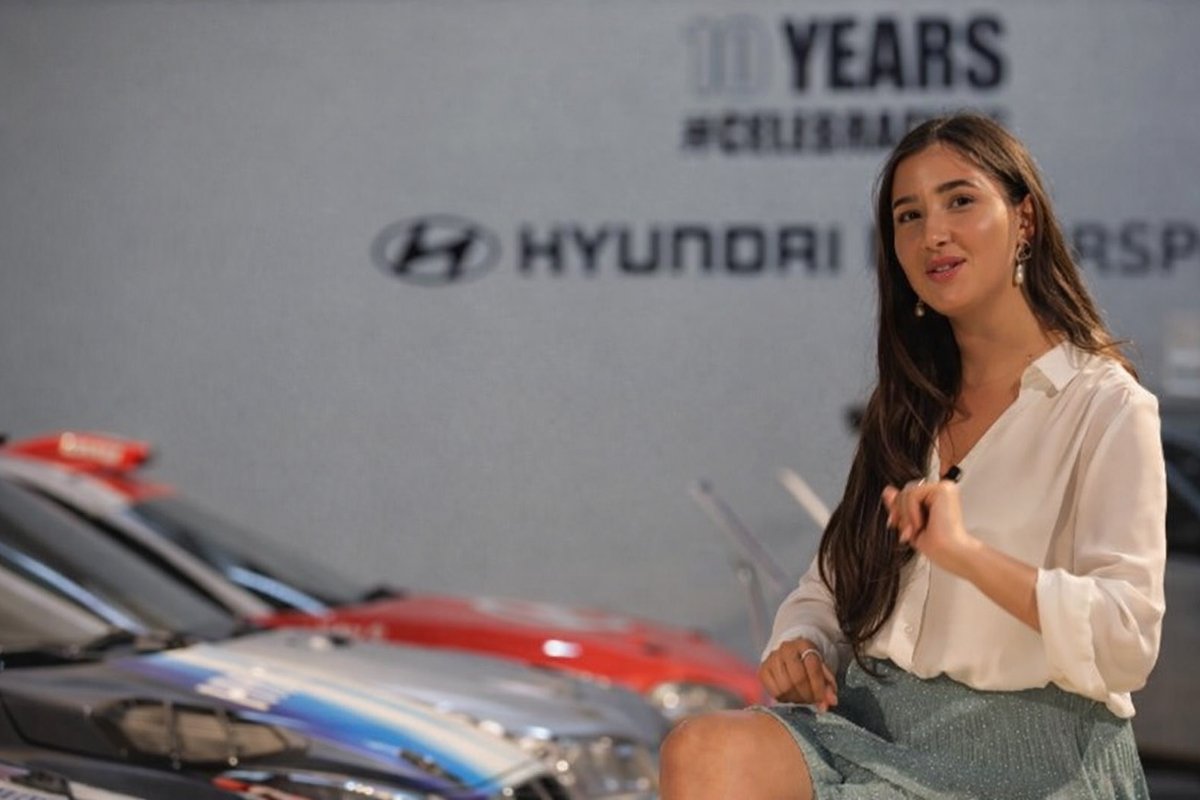
What Working in the World Rally Championship Taught Me About Leadership
Working in WRC (FIA World Rally Championship) has a way of stripping things down to the basics. There’s little room for theory when everything moves fast, conditions change constantly, and results are visible to the world.
WRC leadership lessons are shaped in real time
Rallying is demanding – not just for the drivers, but for everyone involved. Early mornings bleed into veryyyy long days, muddy roads and dust replace comfort and countless kilometres are covered in the span of a single rally week. Whoever has been even to one, will know what I am talking about. WRC leadership lessons come at full speed; literally. From muddy service parks to podiums, here’s what this sport taught me about trust, pressure, and presence.
I was involved in leading several marketing and comms initiatives, which was super exciting in the top tier of rally motorsport. I am not saying in a glamorous way, but in the practical, sometimes messy reality of making things happen. WRC doesn’t reward overthinking; as many things in life actually. It asks for decisions, ownership and the ability to stay clear when things are loud. What made the experience especially interesting was the context: working for a large Korean company based in Germany, operating across cultures, expectations and communication styles. It was a constant exercise in awareness – reading between lines, understanding different leadership mentalities and adjusting without losing clarity. That cultural tension wasn’t a challenge to overcome; it was part of the education and I really enjoyed it.
I was fortunate enough that I was given a lot of autonomy in my role. With that came responsibility – real responsibility. Projects didn’t sit neatly on paper; they lived in airports, service parks, sponsor meetings and long days that blurred into each other. I traveled extensively, to incredible places (New Zealand, Kenya, Japan…), often switching mental gears as quickly as time zones. It was demanding, but deeply satisfying. You feel the weight of your work in environments like this; and that makes it meaningful.
I’ve learned that I thrive when I’m given ownership – when I’m trusted not just to execute, but to shape things actively as they unfold. Responsibility doesn’t weigh me down or intimidate me; it actually sharpens my focus. When trust is real and expectations are clear, I know how much I’m capable of, and I tend to grow into that space and rise to it naturally.
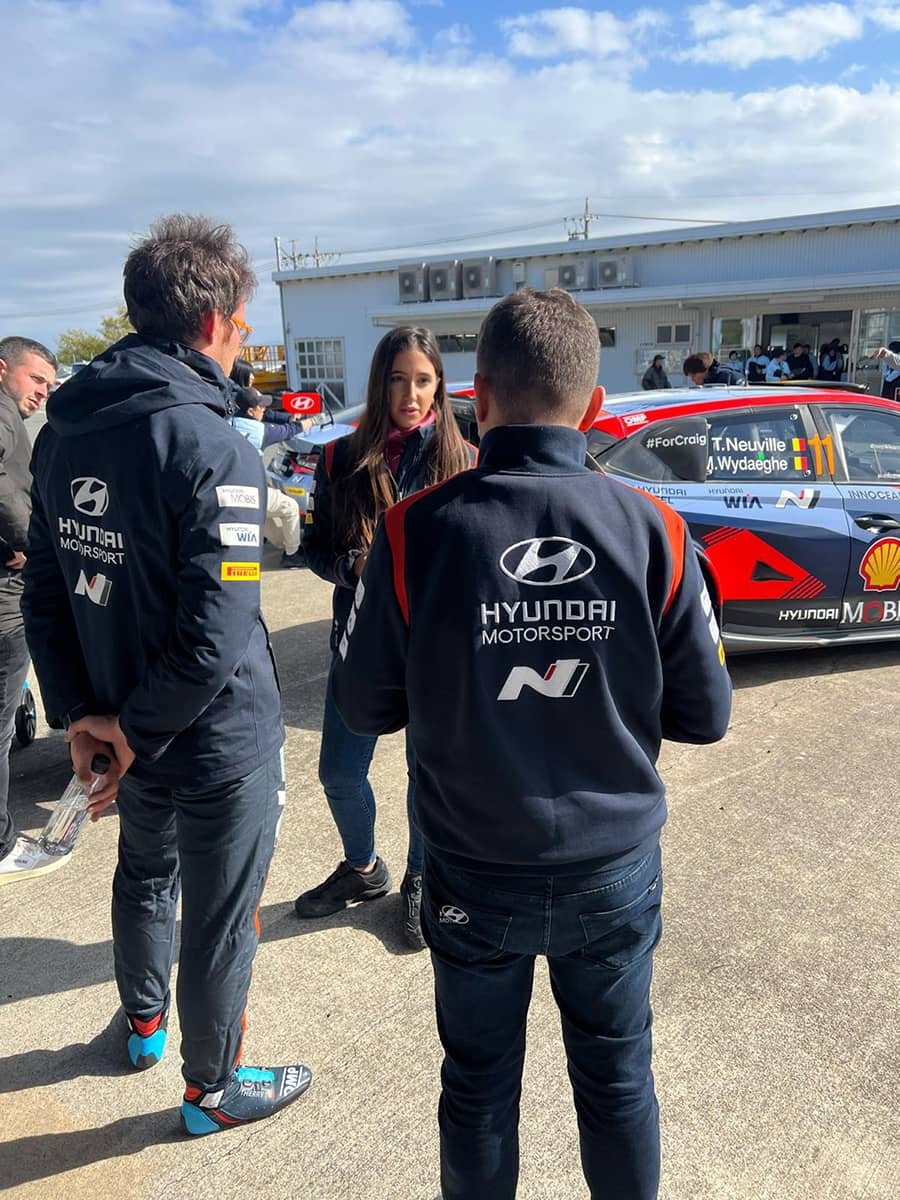
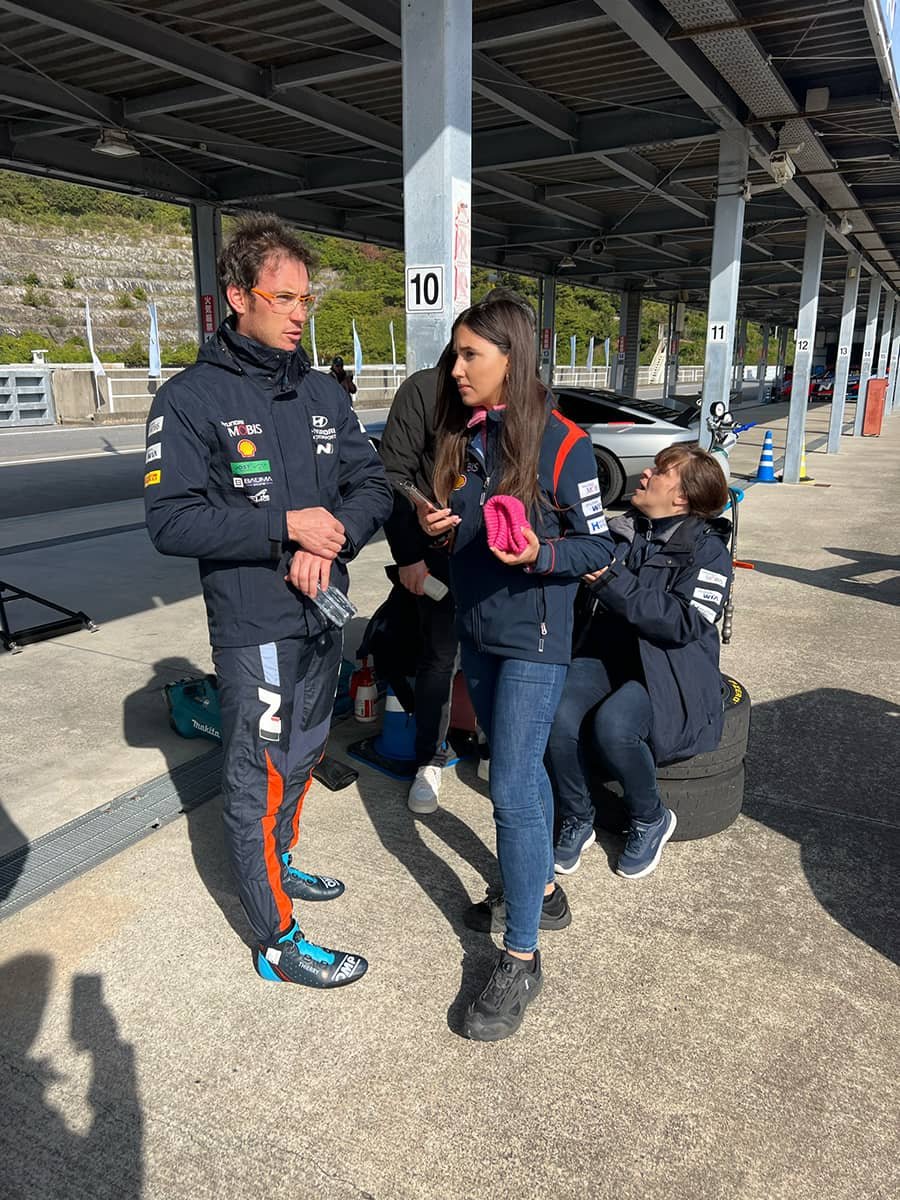
Over time, my responsibilities grew along with the company. I worked on several projects, many with our sponsors, including the co-drive program, an initiative that required coordination, trust and a strong sense of alignment between very different worlds and perspectives. Watching those projects take shape – and knowing they genuinely resonated – was one of the most rewarding parts of the experience. There’s something deeply fulfilling about seeing ideas turn into real moments, and about witnessing the emotions and enjoyment they create for others.
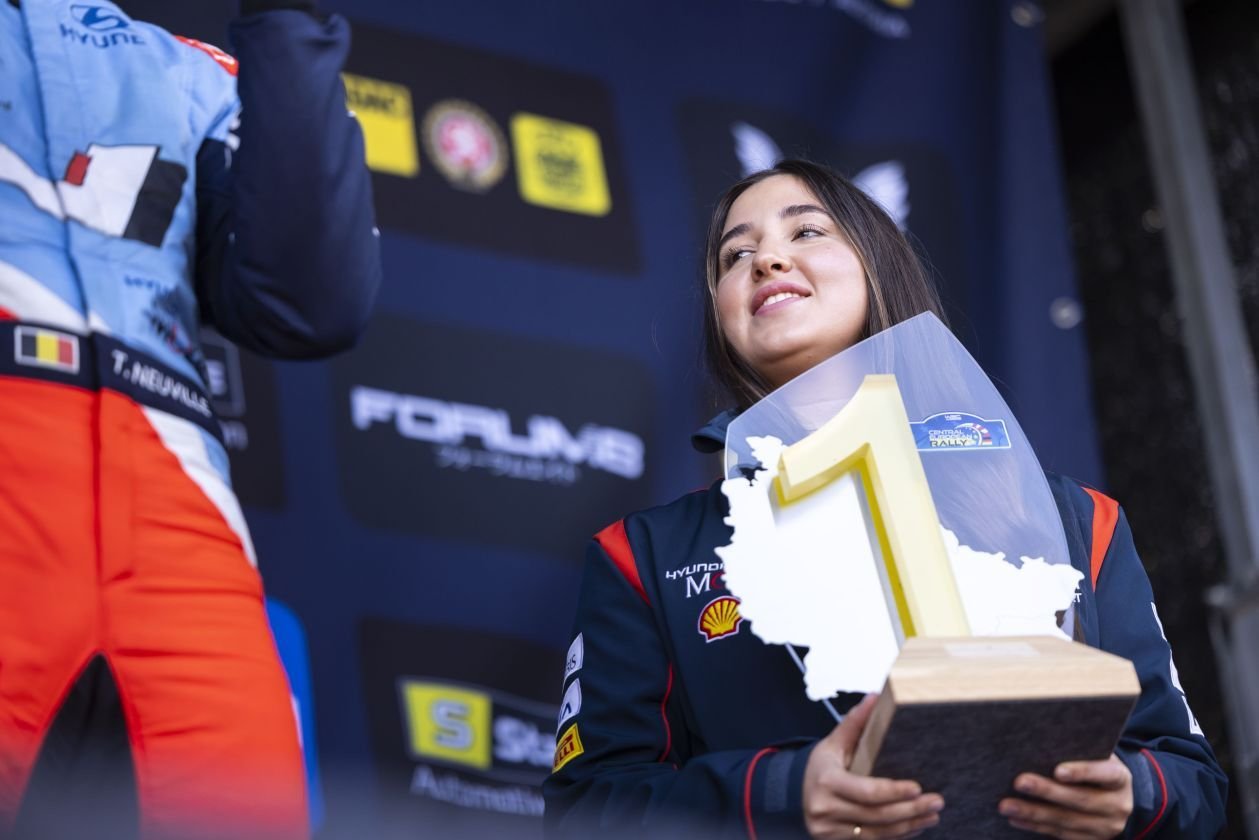
There was another special moment that stayed with me. I was asked by the leadership team to represent the team on the podium alongside our drivers. In a sport where attention naturally goes to those behind the wheel (and rightly so!), that gesture felt significant. Not because of visibility, but because it reflected something built over time: trust, contribution and being seen as part of the team’s backbone.
What WRC ultimately taught me is that leadership is powerful, and stepping into it doesn’t always require excessive preparation or overthinking. Often, you’re ready before you consciously decide you are. That was certainly true for me – leadership felt instinctive, almost familiar. It’s about staying steady when things move fast and making decisions without waiting for perfect conditions. It’s about knowing when to speak, when to listen and when to simply take responsibility and move forward. Because this world moves so fast and you need to act. Motorsport is unforgiving to distraction. You either show up fully, or you don’t keep up. That lesson has stayed with me. Presence wasn’t a concept, but a necessity.
I believe this is why so many women naturally thrive in leadership roles (and many more women should!). We tend to read situations holistically, sensing dynamics before they’re spoken. Empathy isn’t a weakness in fast-paced environments – it’s a tool. It allows for better judgment, stronger trust and decisions that consider both people and performance.
In a world like motorsport, where everything moves quickly and pressure is constant, this combination matters. Staying calm while things accelerate, listening as much or sometimes even more as speaking, and acting with clarity rather than ego creates stability. Women often lead through presence – by holding the bigger picture, adapting intuitively and taking responsibility without needing excessive or manipulating control.
Looking back, those years were intense, demanding and formative. I grew with the company, learned by doing and left with a deeper understanding of what it means to work well with people, across cultures, under pressure. Not everything was polished nor easy. But it was real – and that’s what made it valuable. And authenticity, I’ve learned, always outlasts perfection…
With love, Nives
Download this article
If you like this article, you can save it for future

Read article on Medium
POST COMMENT